Navigating Systems, Building Community
My name is Maksin Puzar, and I am Croatian, living in San Francisco since late 2018.
Growing up in Croatia during the civil war and a period of political transition meant witnessing, throughout my childhood and adolescence, how history lives in people in the way they speak, gather, and hold onto one another. A sense of community was never abstract. It stayed with me long after, even as many things felt uncertain when I moved to the United States. Studying cultural studies and cultural anthropology added another layer to that understanding. It helped me see that what I grew up with was not only personal, but also structural and shared, something you can trace across places and people.
Starting life in the United States came with a kind of disorientation. It was not always dramatic, but it showed up in small ways, translating your own experience into terms others can understand, learning systems that feel rigid, and trying to be seen beyond your accent. At the same time, these experiences deepened my sensitivity to what people carry during major life transitions, especially when immigrating to a new country. These transitions shape how people adapt linguistically, culturally, and socially.
I was still figuring out my own life here when I found The Women’s Building. I began volunteering in the Community Resource Room, helping people with job searches while I was navigating that same process myself. It became a space where I could understand my new environment while connecting with the most significant moments in the lives of immigrants in this country. At first, I wanted to better understand my own experience. I realized I could either navigate it alone or join others who were also trying to figure it out while managing processes in different languages, with different educational backgrounds, and life experiences.
This is where I began to recognize my own privilege as a white, highly educated, English speaking economic immigrant, someone who chose to be here in search of opportunity. At the same time, I became more aware that this path looks very different for many others. Being able to speak Spanish was one of the things that drew me to The Women’s Building and the Mission. It allowed me to reconnect with the language, but more importantly, it helped me build deeper connections by supporting people in their own language.
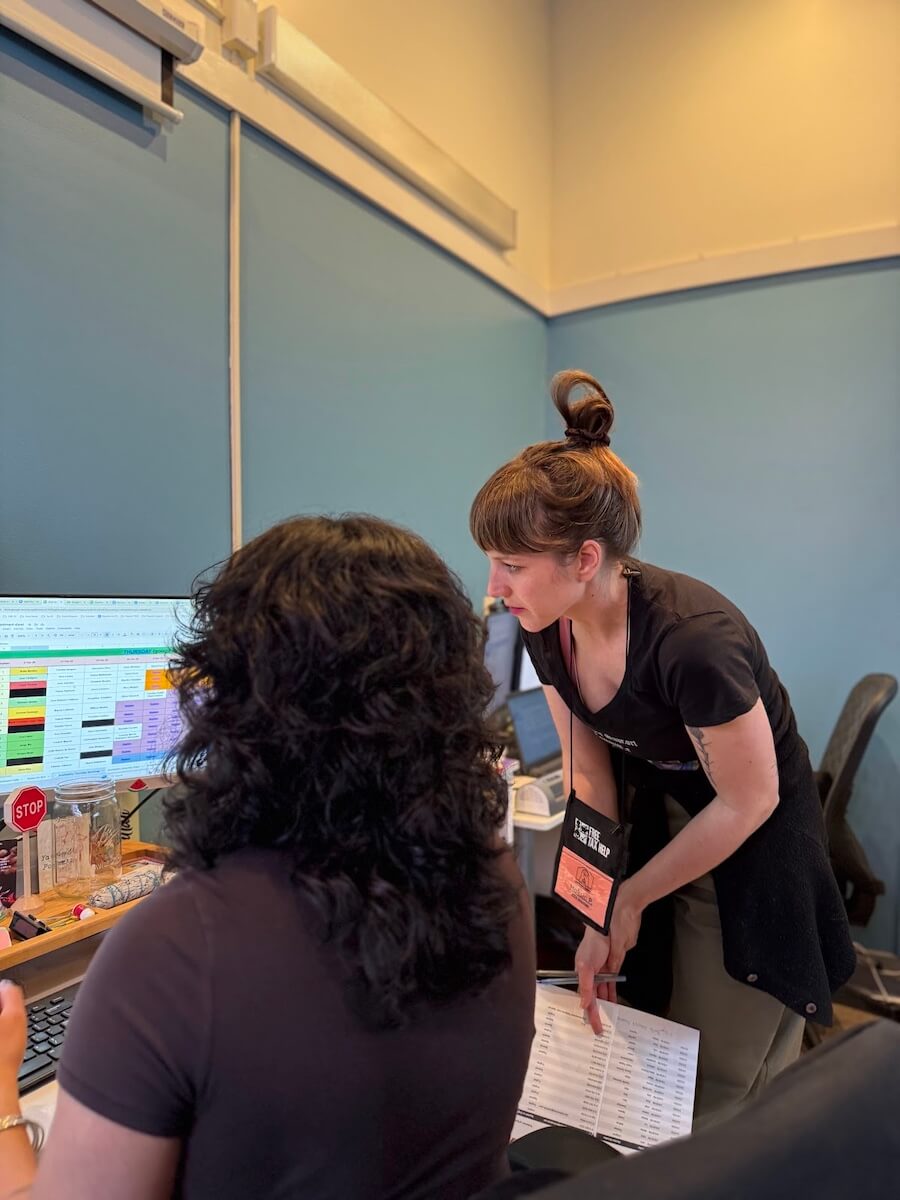
Soon after, I became involved in the Tax Program as a volunteer, supporting free tax clinics each year and continuing this work over the past eight years. Year after year, sitting across from people as they share documents that represent their lives, their income, their families, their sacrifices, you begin to understand how much trust this work requires. For many immigrant families, these moments are tied to fear, confusion, and questions about belonging. Being able to guide someone through that process in a clear and respectful way matters deeply.
I have supported many people who were filing taxes in the United States for the first time and were unsure of what to expect. I have seen relief when refunds come through, money that goes toward rent, food, and stability. I have also seen stress when things are complicated. When people begin to feel more at ease and their questions are answered, I often take the time to learn about their stories, if they feel comfortable sharing. These conversations sometimes lead to connecting them with additional services that support what they are going through. Being in a space where this kind of work is possible and where people feel safe to share is incredibly meaningful.
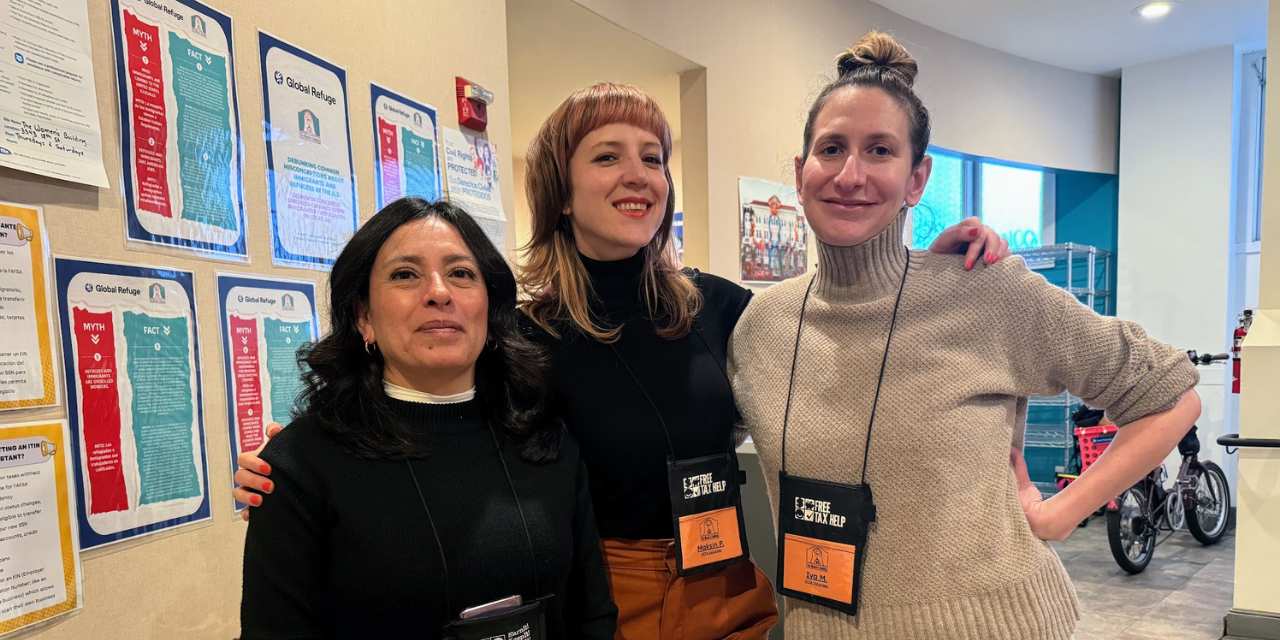
What keeps me coming back each year is that sense of continuity and connection with both clients and fellow volunteers. Seeing familiar faces, building trust over time, and being part of something people rely on matters. Showing up year after year, doing something that people truly need, and helping reduce barriers in already complex systems makes a difference.
I want The Women’s Building to continue being that kind of place, a steady and trusted space where immigrant communities can access support without judgment. Especially now, when so many systems feel uncertain and unwelcoming, that kind of presence is essential.